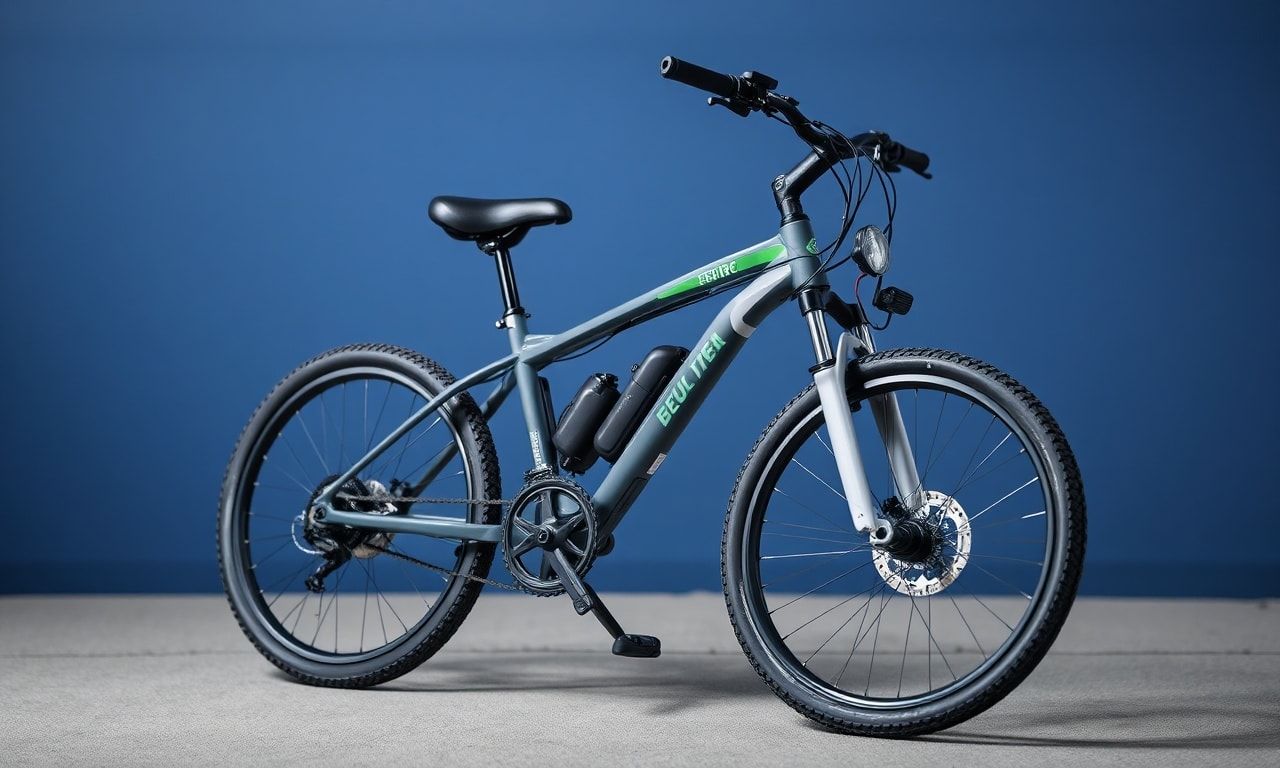
The Rise of Electric Bikes
The world of cycling has witnessed a significant transformation with the advent of electric bikes, or e-bikes. These modern marvels combine the convenience of motorized transport with the health benefits and eco-friendliness of traditional bicycles. As urban areas become more congested and environmental concerns grow, e-bikes are emerging as a viable solution for short-distance travel. This article delves into the evolution, benefits, and practical aspects of electric bikes, providing a comprehensive guide for both enthusiasts and newcomers.
Understanding Electric Bikes
Electric bikes are bicycles equipped with an electric motor that assists the rider’s pedaling. They come in various styles, including mountain bikes, city bikes, and folding bikes, catering to different needs and preferences. The motor can be activated by pedaling or via a throttle, offering flexibility in how the bike is operated. E-bikes typically have a range of 20-100 miles per charge, depending on the battery capacity and the level of assistance used.
Types of Electric Bikes
There are several types of e-bikes, each designed for specific purposes:
- City/E-Commuter Bikes: Ideal for urban commuting, these bikes are designed for comfort and efficiency on paved roads.
- Mountain E-Bikes: Built for off-road adventures, these bikes feature robust frames and powerful motors to tackle challenging terrains.
- Folding E-Bikes: Perfect for those with limited storage space, these bikes can be folded and carried easily.
- Cargo E-Bikes: Equipped with racks or carriers, these bikes are designed to transport goods, making them ideal for delivery services and shopping trips.
Benefits of Electric Bikes
Electric bikes offer numerous advantages that make them an attractive option for a wide range of users. Some of the key benefits include:
Environmental Benefits
E-bikes produce zero emissions, making them an eco-friendly alternative to cars and motorcycles. By reducing the reliance on fossil fuels, e-bikes contribute to lower air pollution and a smaller carbon footprint. This is particularly beneficial in urban areas where traffic congestion and pollution are significant issues.
Health Benefits
While e-bikes provide motorized assistance, they still require the rider to pedal, offering a form of low-impact exercise. Regular cycling can improve cardiovascular health, build muscle strength, and enhance overall fitness. For those who may find traditional cycling challenging, e-bikes provide a gentler introduction to physical activity.
Cost Savings
Compared to cars and motorcycles, e-bikes are significantly cheaper to operate and maintain. The cost of electricity to charge an e-bike is minimal, and routine maintenance such as tire changes and brake adjustments are relatively inexpensive. Additionally, e-bikes do not require insurance, reducing overall ownership costs. However, it’s important to note that insurance options like elektrikli bisiklet sigorta kapsamı are available for those seeking additional coverage.
Practical Considerations
Before purchasing an e-bike, there are several factors to consider to ensure you choose the right model for your needs. These include:
Range and Battery Life
The range of an e-bike refers to the distance it can travel on a single charge. Battery life is a crucial consideration, especially for those planning to use their e-bike for long commutes or extended rides. Most e-bikes offer a range of 20-60 miles, but some high-end models can go up to 100 miles. It’s essential to choose a bike with a battery that suits your daily requirements.
Motor Power and Assistance Levels
The motor power of an e-bike determines how much assistance it provides. Motors typically range from 250W to 750W, with higher wattage offering more power for challenging terrains. Many e-bikes also feature multiple assistance levels, allowing riders to adjust the level of motor support based on their needs and preferences.
Weight and Portability
E-bikes are generally heavier than traditional bikes due to the added weight of the motor and battery. This can impact maneuverability and storage. If you plan to carry your e-bike upstairs or transport it in a car, consider a lighter model or one with a folding mechanism.
Conclusion
Electric bikes represent a revolutionary advancement in personal transportation, offering a blend of convenience, environmental benefits, and health advantages. Whether you’re looking to reduce your carbon footprint, improve your fitness, or simply enjoy a more relaxed cycling experience, e-bikes provide a versatile and practical solution. By understanding the different types of e-bikes, their benefits, and key considerations, you can make an informed decision and find the perfect e-bike to suit your lifestyle.
As urban mobility evolves, discover how electric bikes are changing cities in our latest feature on sustainable transportation.
Curious about the future of urban transport? Our latest feature, electric bikes in Mexico, delves into the growing trend and its impact on cities.
If you're looking to improve your financial well-being, consider checking out this comprehensive financial health guide for practical tips and advice.