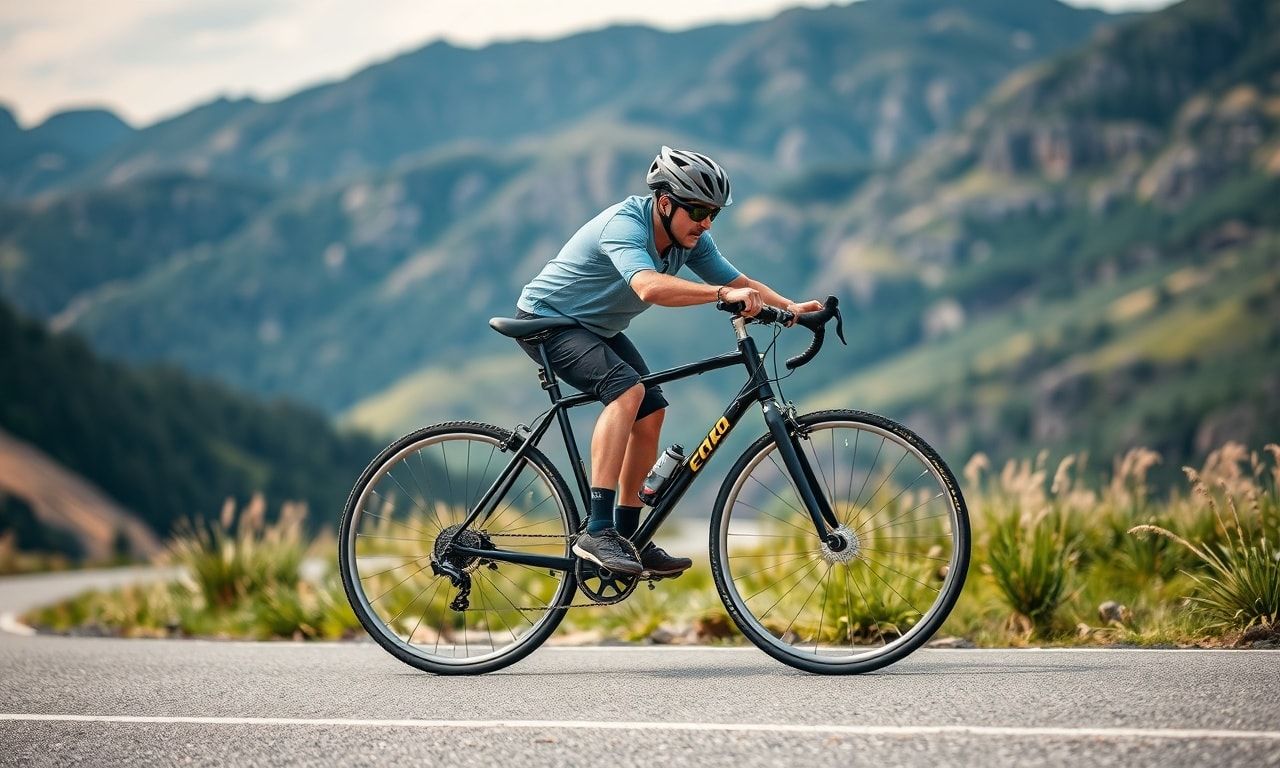
The Humble Beginnings of Biking
The history of biking is a fascinating journey that spans centuries. The earliest form of biking can be traced back to the early 19th century with the invention of the Draisine, also known as the running machine. This two-wheeled, human-powered vehicle laid the foundation for modern bicycles. Over time, innovations such as pedals, gears, and pneumatic tires transformed the humble Draisine into the sophisticated machines we know today.
The Golden Age of Biking
The late 19th and early 20th centuries marked the golden age of biking. This period saw the introduction of the safety bicycle, which featured a chain drive and equal-sized wheels, making it more stable and easier to ride. The safety bicycle became a symbol of freedom and independence, particularly for women, who embraced cycling as a means of personal liberation. Biking clubs and races flourished, and the sport gained widespread popularity.
The Role of Biking in Society
Biking has always been more than just a mode of transportation; it has played a significant role in shaping society. During World War I and II, bicycles were used for military purposes, providing a quick and efficient means of transport. In the post-war era, biking became a popular recreational activity, fostering a sense of community and camaraderie among enthusiasts. Today, biking continues to be a vital part of many cultures, promoting health, environmental sustainability, and social interaction.
Modern Innovations in Biking
The 21st century has brought about a new wave of innovations in biking. Electric bikes, or e-bikes, have gained immense popularity, offering an eco-friendly and efficient alternative to traditional bicycles. These bikes are equipped with electric motors that assist riders, making it easier to tackle hills and long distances. Additionally, advancements in materials science have led to the development of lighter, stronger, and more durable bike frames, enhancing the overall biking experience.
The Future of Biking
The future of biking looks promising, with ongoing research and development focused on improving performance, safety, and sustainability. Smart bikes equipped with GPS, Bluetooth, and other advanced technologies are becoming more common, providing riders with real-time data and connectivity. Furthermore, the growing trend of urban biking has led to the creation of bike-sharing programs and dedicated cycling infrastructure, making cities more bike-friendly and reducing traffic congestion.
Biking as a Lifestyle
Biking has evolved into a lifestyle choice for many people. Whether it's for commuting, fitness, or leisure, biking offers a multitude of benefits. It is an excellent form of exercise that improves cardiovascular health, builds muscle strength, and enhances mental well-being. Additionally, biking is an eco-friendly mode of transportation that reduces carbon emissions and promotes a sustainable lifestyle. For those interested in expanding their knowledge about biking and related topics, the interesting facts knowledge guide provides a wealth of information and insights.
The Benefits of Biking
Biking offers numerous benefits that cater to various aspects of life. Here are some key advantages:
- Health Benefits: Regular biking can improve cardiovascular health, increase muscle strength, and enhance mental well-being.
- Environmental Benefits: Biking reduces carbon emissions and promotes a sustainable lifestyle.
- Economic Benefits: Biking is a cost-effective mode of transportation that saves money on fuel and maintenance.
- Social Benefits: Biking fosters a sense of community and camaraderie among enthusiasts.
Conclusion
The evolution of biking from ancient times to modern adventures is a testament to human ingenuity and the enduring appeal of this versatile mode of transportation. Whether you're a seasoned cyclist or a beginner, biking offers a world of opportunities for exploration, fitness, and personal growth. As we look to the future, the continued innovation and development in biking promise to make this timeless activity even more enjoyable and accessible for generations to come.