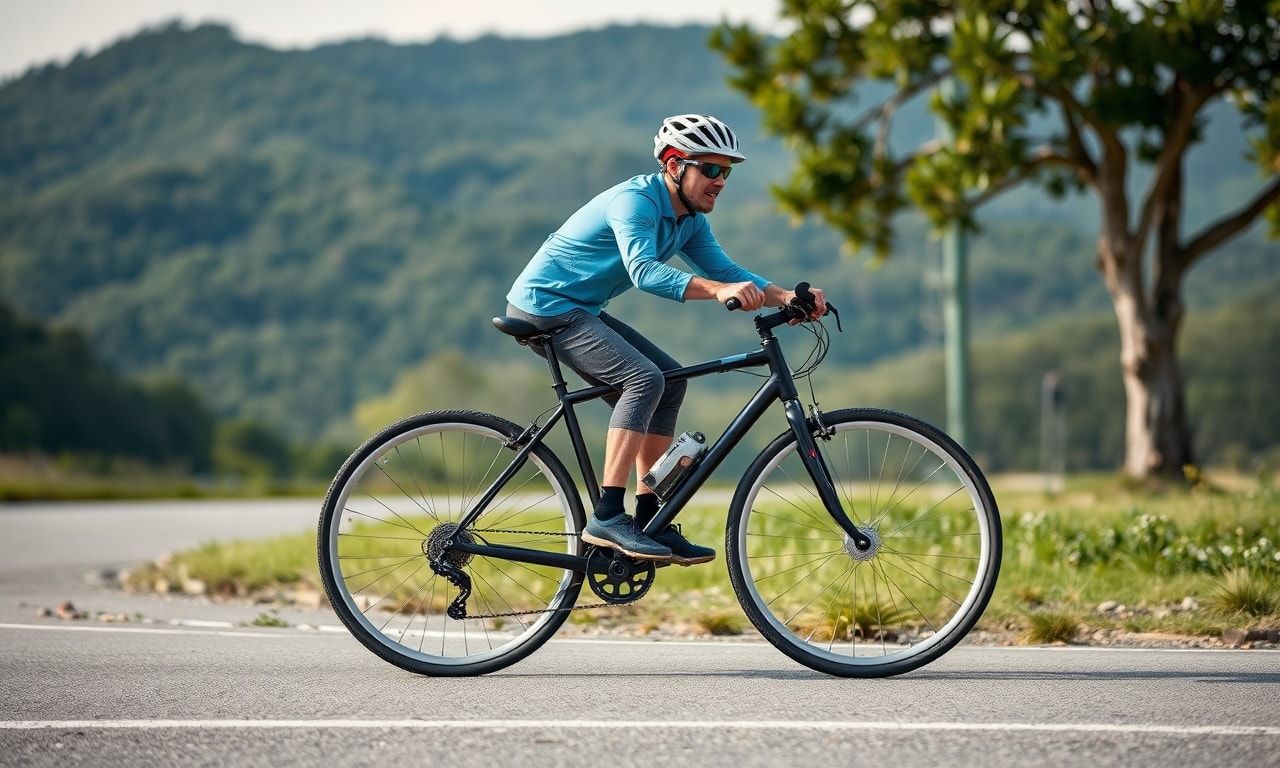
The Humble Beginnings of Biking
The bicycle, a marvel of human ingenuity, has come a long way since its inception. The earliest versions, known as ‘running bikes’ or ‘draisines,’ emerged in the early 19th century. These two-wheeled, human-powered vehicles were a significant leap from the horse-drawn carriages of the time. The modern bicycle, with its familiar design, was patented by Pierre Michaux in 1868, marking the beginning of a new era in personal transportation.
The late 19th and early 20th centuries saw the bicycle evolve into a symbol of freedom and independence. It was during this period that the bicycle became more than just a mode of transport; it became a cultural icon. The bicycle boom of the 1890s, often referred to as the ‘pneumatic tire craze,’ saw a surge in bicycle production and popularity. This period also saw the rise of cycling clubs and races, laying the groundwork for the sport’s future.
The Bicycle as a Sport
As the bicycle became more popular, so did competitive cycling. The first recorded bicycle race took place in 1868, just a year after the modern bicycle was patented. This race, held in Paris, marked the beginning of a new sporting discipline that would captivate audiences worldwide. The late 19th century saw the establishment of iconic races like the Tour de France, which has since become one of the most prestigious events in the cycling calendar.
Cycling as a sport has evolved significantly over the years. From the early days of wooden rims and solid tires to the modern carbon fiber frames and aerodynamic designs, the sport has seen numerous technological advancements. These innovations have not only improved performance but also enhanced safety and comfort, making cycling accessible to a wider audience.
The Rise of Mountain Biking
The 1970s saw the birth of a new cycling discipline: mountain biking. Born in the rugged trails of California, mountain biking quickly gained popularity due to its thrilling and challenging nature. This new sport required a different kind of bicycle, one that could handle rough terrain and steep descents. The development of mountain bikes with their robust frames, wide tires, and advanced suspension systems revolutionized the cycling industry.
Mountain biking has since become a global phenomenon, with dedicated trails and events worldwide. It has also spawned various sub-disciplines, including downhill, cross-country, and enduro, each with its unique challenges and appeal. The sport’s popularity has led to the establishment of professional circuits and international competitions, further cementing its place in the world of sports.
The Bicycle in the Modern Era
Today, bicycles are more than just a mode of transport or a sporting equipment; they are a symbol of sustainability and healthy living. With the growing awareness of environmental issues, cycling has gained traction as an eco-friendly alternative to motorized transport. Cities worldwide are investing in cycling infrastructure, promoting bike-sharing programs, and encouraging residents to adopt cycling as a part of their daily routine.
Cycling has also become a significant part of popular culture. From movies and TV shows to literature and art, the bicycle is a recurring motif that resonates with people across generations. The bicycle’s enduring appeal lies in its simplicity, versatility, and the sense of freedom it offers. Whether it’s a leisurely ride through the park, a grueling mountain trail, or a high-speed race, the bicycle continues to inspire and captivate.
Trending Topics Popular Discussions
In the world of cycling, there are always new trends and discussions that capture the imagination of enthusiasts. From the latest technological advancements in bike design to the ongoing debates about cycling infrastructure and safety, there’s always something to talk about. Websites like Sportan are great resources for staying updated on these trending topics popular discussions. Whether you’re a casual rider or a professional cyclist, keeping up with the latest news and trends can enhance your cycling experience and help you make informed decisions.
The Future of Cycling
The future of cycling looks bright, with innovations and trends pointing towards a more sustainable and inclusive future. Electric bikes, for instance, are gaining popularity as an eco-friendly and efficient mode of transport. These bikes, powered by rechargeable batteries, offer a convenient and sustainable alternative to traditional bicycles and motorized vehicles.
Another exciting development is the rise of smart bikes. Equipped with advanced sensors and connectivity features, these bikes offer real-time data on performance, navigation, and safety. They also allow riders to connect with other cyclists, share their routes, and participate in virtual races. These innovations are not only enhancing the cycling experience but also making it more accessible and enjoyable for a wider audience.
Conclusion
From its humble beginnings to its current status as a global phenomenon, the bicycle has come a long way. It has evolved from a simple mode of transport to a symbol of freedom, sustainability, and healthy living. The bicycle’s enduring appeal lies in its simplicity, versatility, and the sense of adventure it offers. As we look to the future, the bicycle continues to inspire and captivate, promising a more sustainable and inclusive world.
To keep your skin healthy and protected, discover the best ways with our guide on sunscreen as your skin’s guardian.
Ever found yourself curious about the vast expanse of general knowledge? Delve into the intriguing details with our latest feature, exploring the world of facts, and satisfy your thirst for understanding.
If you've been considering a break from streaming services, you might find one user's honest take particularly compelling.