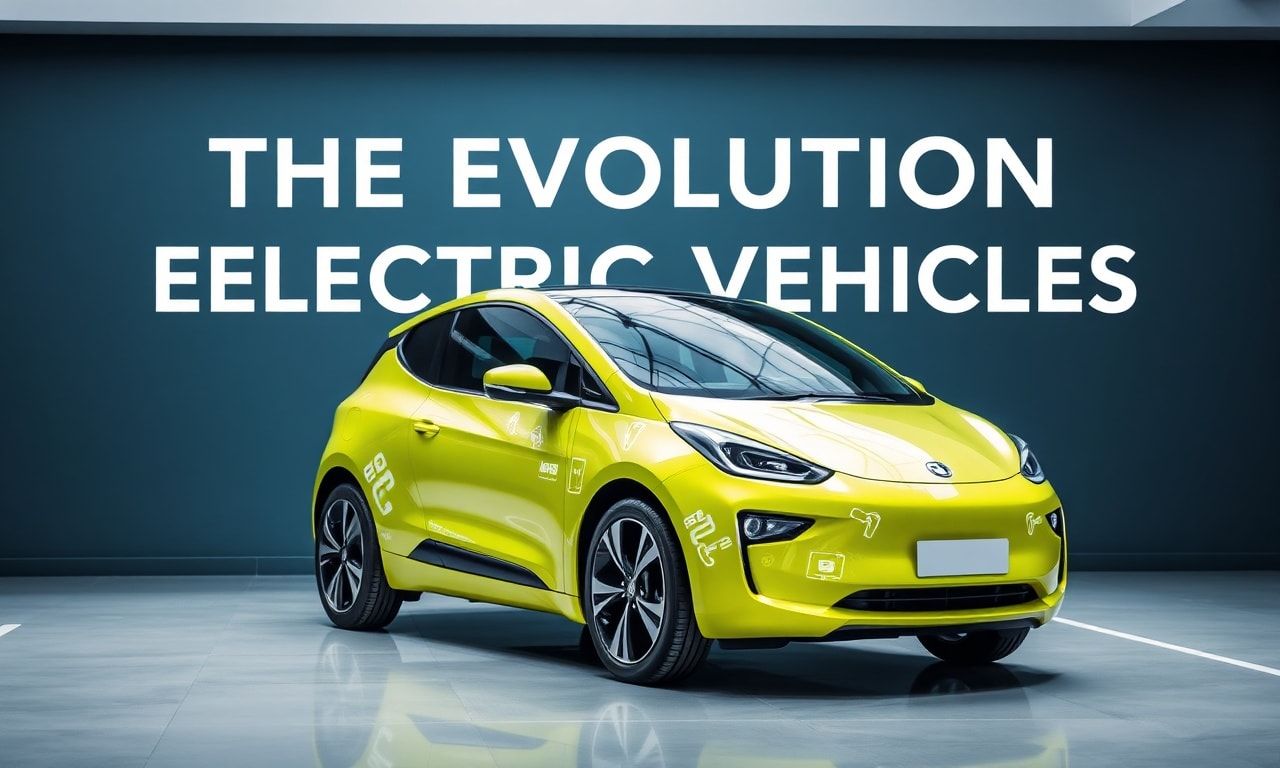
The Rise of Electric Vehicles
The automotive industry has witnessed a significant shift in recent years, with electric vehicles (EVs) taking center stage. This transition is driven by a growing awareness of environmental issues, advancements in technology, and a push towards sustainable transportation. The rise of EVs is not just a trend; it’s a revolution that is reshaping the way we think about mobility and our impact on the planet.
Understanding Electric Vehicles
Electric vehicles are powered by electric motors instead of internal combustion engines. They use rechargeable batteries to store energy, which is then used to propel the vehicle. EVs come in various forms, including battery electric vehicles (BEVs), plug-in hybrid electric vehicles (PHEVs), and hybrid electric vehicles (HEVs). Each type has its own set of advantages and is suited to different driving needs and preferences.
Types of Electric Vehicles
1. **Battery Electric Vehicles (BEVs)**: These vehicles run solely on electric power and do not have an internal combustion engine. They rely entirely on their battery packs for energy, which can be recharged by plugging into an external power source.
2. **Plug-in Hybrid Electric Vehicles (PHEVs)**: PHEVs combine an internal combustion engine with an electric motor and a rechargeable battery. They can be plugged in to recharge the battery, but they can also run on gasoline when the battery is depleted.
3. **Hybrid Electric Vehicles (HEVs)**: HEVs use both an internal combustion engine and an electric motor, but they cannot be plugged in to recharge the battery. The battery is charged through regenerative braking and the internal combustion engine.
The Benefits of Electric Vehicles
EVs offer numerous benefits that make them an attractive option for consumers and a positive force for the environment. Some of the key advantages include:
- Environmental Impact: EVs produce zero tailpipe emissions, which significantly reduces air pollution and greenhouse gas emissions. This makes them a cleaner and more sustainable option compared to traditional gasoline-powered vehicles.
- Energy Efficiency: Electric motors are more efficient than internal combustion engines, converting over 77% of the electrical energy from the grid to power the wheels. In contrast, gasoline vehicles only convert about 12%-30% of the energy stored in gasoline.
- Cost Savings: While the upfront cost of EVs can be higher, they often result in lower operating costs over time. Electricity is generally less expensive than gasoline, and EVs require less maintenance due to fewer moving parts.
- Performance: EVs offer instant torque, providing quick acceleration and a smooth driving experience. They also tend to have lower centers of gravity due to the placement of the battery pack, which can improve handling and stability.
Challenges and Considerations
Despite the numerous benefits, there are still challenges and considerations that potential EV owners should be aware of. Understanding these factors can help consumers make informed decisions about whether an EV is the right choice for them.
Range Anxiety
One of the most common concerns among potential EV owners is range anxiety, which refers to the fear of running out of battery power before reaching a destination or a charging station. While the range of EVs has improved significantly in recent years, it is still a consideration for those who frequently take long trips or live in areas with limited charging infrastructure.
Charging Infrastructure
The availability of charging stations is a critical factor for EV adoption. While urban areas tend to have a more extensive network of charging stations, rural areas may lag behind. Additionally, the time it takes to charge an EV can be longer than the time it takes to fill up a gasoline tank, which can be a consideration for those who need quick refueling options.
Initial Cost
The upfront cost of EVs can be higher than that of traditional gasoline-powered vehicles. However, it’s important to consider the long-term savings on fuel and maintenance costs. Additionally, many governments offer incentives, such as tax credits and rebates, to help offset the initial cost of purchasing an EV.
The Future of Electric Vehicles
The future of EVs looks promising, with ongoing advancements in battery technology, charging infrastructure, and vehicle design. As the technology continues to evolve, EVs are expected to become more affordable, more efficient, and more accessible to a broader range of consumers.
One exciting development in the EV community is the emergence of forums and online communities where enthusiasts and owners can share their experiences, tips, and insights. For those interested in joining these communities, exploring elektrikli araba kullanıcı forumları can provide a wealth of information and support.
As the world continues to move towards a more sustainable future, EVs are poised to play a crucial role in reducing emissions and promoting cleaner transportation. With ongoing innovations and increasing consumer interest, the electric vehicle revolution is well underway, and the road ahead looks bright.
Discover how the fashion world is embracing sustainability with eco-conscious style trends, offering a fresh perspective on blending style with environmental responsibility.
Curious about the future of transportation? Our latest article, electric vehicles shaping mobility, delves into the exciting world of electric cars and their impact on our daily lives.
Curious about the future of electric vehicles? Our latest feature, electric cars in 2026, offers a fascinating glimpse into the evolving market and what lies ahead.