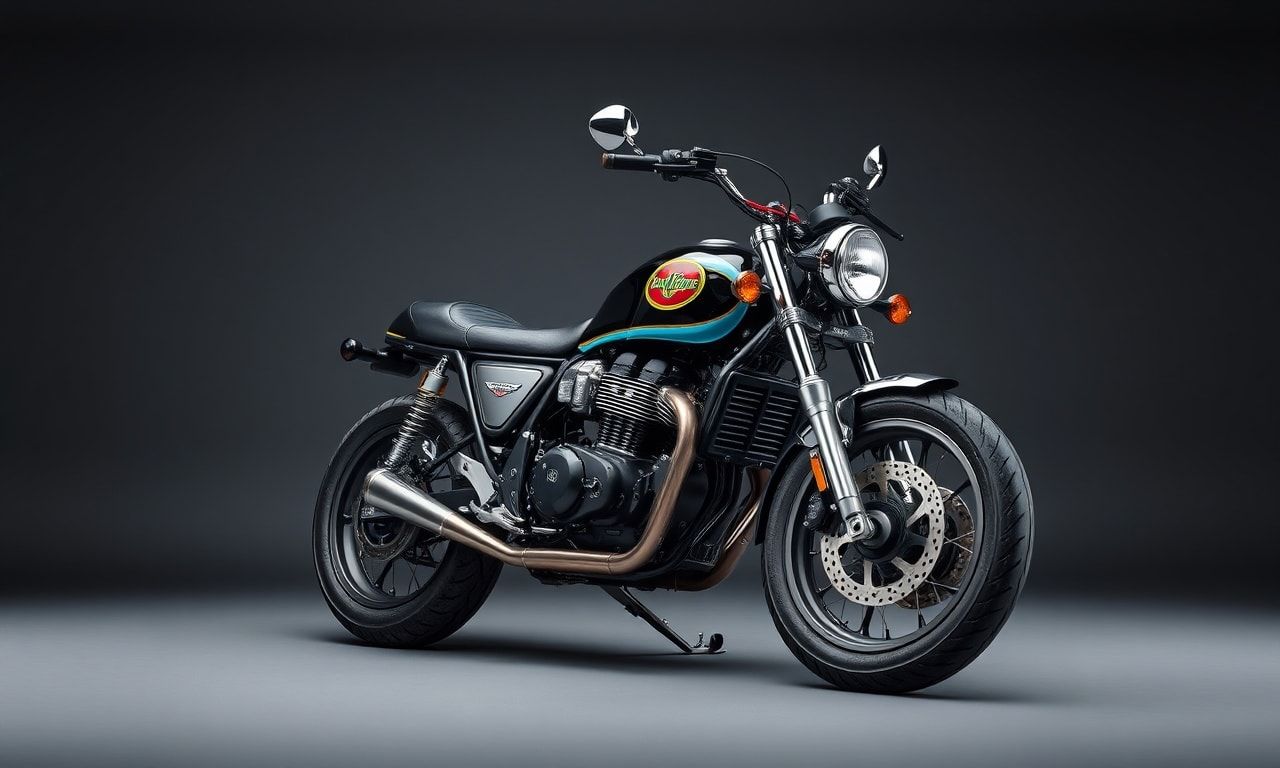
The Early Days of Motorcycle Design
The history of motorcycle design is a fascinating journey that reflects the evolution of technology, culture, and human ingenuity. The first motorcycles, often referred to as 'motorized bicycles,' emerged in the late 19th century. These early designs were rudimentary, featuring simple frames with engines attached to bicycles. The primary goal was to create a faster and more efficient mode of transportation, and these early motorcycles laid the groundwork for future innovations.
One of the most notable early designs was the Daimler Reitwagen, created in 1885 by Gottlieb Daimler and Wilhelm Maybach. This motorcycle featured a four-stroke engine and a simple frame, setting the stage for the development of more advanced designs. As the technology improved, so did the design, with manufacturers focusing on improving speed, stability, and comfort.
The Golden Age of Motorcycles
The early 20th century marked the golden age of motorcycle design, with manufacturers experimenting with new materials, engine configurations, and styling. The introduction of the Harley-Davidson Motor Company in 1903 revolutionized the industry, with their designs becoming iconic symbols of American culture. The Harley-Davidson models featured robust frames, powerful engines, and distinctive styling, which set them apart from their competitors.
During this period, European manufacturers also made significant strides in motorcycle design. Companies like Triumph, BSA, and Norton produced motorcycles that were known for their speed and reliability. The British motorcycles of this era were particularly influential, with their designs being adopted and adapted by manufacturers around the world.
The Influence of World War II
World War II had a profound impact on motorcycle design, with military demand driving innovation and mass production. Motorcycles were used extensively for reconnaissance, communication, and transportation, leading to the development of more durable and versatile designs. The British BSA and Norton motorcycles, as well as the American Harley-Davidson WLA, became legendary for their reliability and performance in combat conditions.
The post-war period saw a boom in motorcycle production, with manufacturers focusing on civilian models that were faster, more comfortable, and more stylish. The introduction of the Japanese motorcycle industry in the 1950s and 1960s further revolutionized the market, with companies like Honda, Yamaha, and Kawasaki producing motorcycles that were more affordable, reliable, and technologically advanced.
The Modern Era of Motorcycle Design
The modern era of motorcycle design is characterized by a focus on performance, safety, and sustainability. Advances in materials science, engineering, and technology have led to the development of motorcycles that are lighter, faster, and more efficient than ever before. The use of lightweight materials like carbon fiber and aluminum has improved handling and performance, while advanced electronics have enhanced safety and comfort.
One of the most significant developments in modern motorcycle design is the integration of electric and hybrid technologies. Electric motorcycles, such as the Zero FX and the Harley-Davidson LiveWire, offer zero emissions, reduced noise, and lower operating costs. These innovations are part of a broader trend towards sustainability in the motorcycle industry, as manufacturers seek to reduce their environmental impact and meet the demands of eco-conscious consumers.
The Future of Motorcycle Design
The future of motorcycle design is likely to be shaped by advancements in technology, sustainability, and consumer preferences. Autonomous driving, artificial intelligence, and connectivity are expected to play a significant role in the development of future motorcycles. These technologies will not only improve safety and performance but also enhance the overall riding experience.
As the world becomes more conscious of environmental issues, the demand for sustainable and eco-friendly motorcycles is expected to grow. Manufacturers are already investing in research and development to create motorcycles that are more efficient, produce fewer emissions, and use renewable energy sources. Additionally, the integration of smart technologies, such as advanced navigation systems and connectivity features, will continue to shape the future of motorcycle design.
For those interested in staying ahead of the curve in fashion trends, exploring the latest styles can be both exciting and practical. For instance, if you're looking for inspiration on winter fashion, you might want to check out the 2026 kış modası giysi önerileri for some innovative ideas that blend style with functionality.
The Cultural Impact of Motorcycle Design
Motorcycle design has had a profound cultural impact, influencing everything from fashion and music to film and literature. The iconic designs of motorcycles like the Harley-Davidson and the Honda CB750 have become symbols of freedom, adventure, and rebellion. These motorcycles have been featured in countless movies, TV shows, and music videos, further cementing their place in popular culture.
The cultural significance of motorcycle design extends beyond entertainment. Motorcycles have played a crucial role in shaping social movements and subcultures. The biker subculture, for example, has its roots in the post-war era, when returning soldiers sought a sense of camaraderie and adventure. This subculture has evolved over the years, encompassing a wide range of styles, values, and lifestyles.
Motorcycle design has also influenced fashion trends, with motorcycle jackets, boots, and helmets becoming staple items in many wardrobes. The rugged, utilitarian aesthetic of motorcycle gear has been embraced by fashion designers and style-conscious consumers alike, reflecting the enduring appeal of motorcycle culture.
Conclusion
The evolution of motorcycle design is a testament to human ingenuity, technological advancement, and cultural influence. From the early days of motorized bicycles to the high-performance, eco-friendly motorcycles of today, the journey of motorcycle design is a fascinating one. As we look to the future, it is clear that motorcycle design will continue to evolve, driven by innovation, sustainability, and the ever-changing preferences of riders around the world.