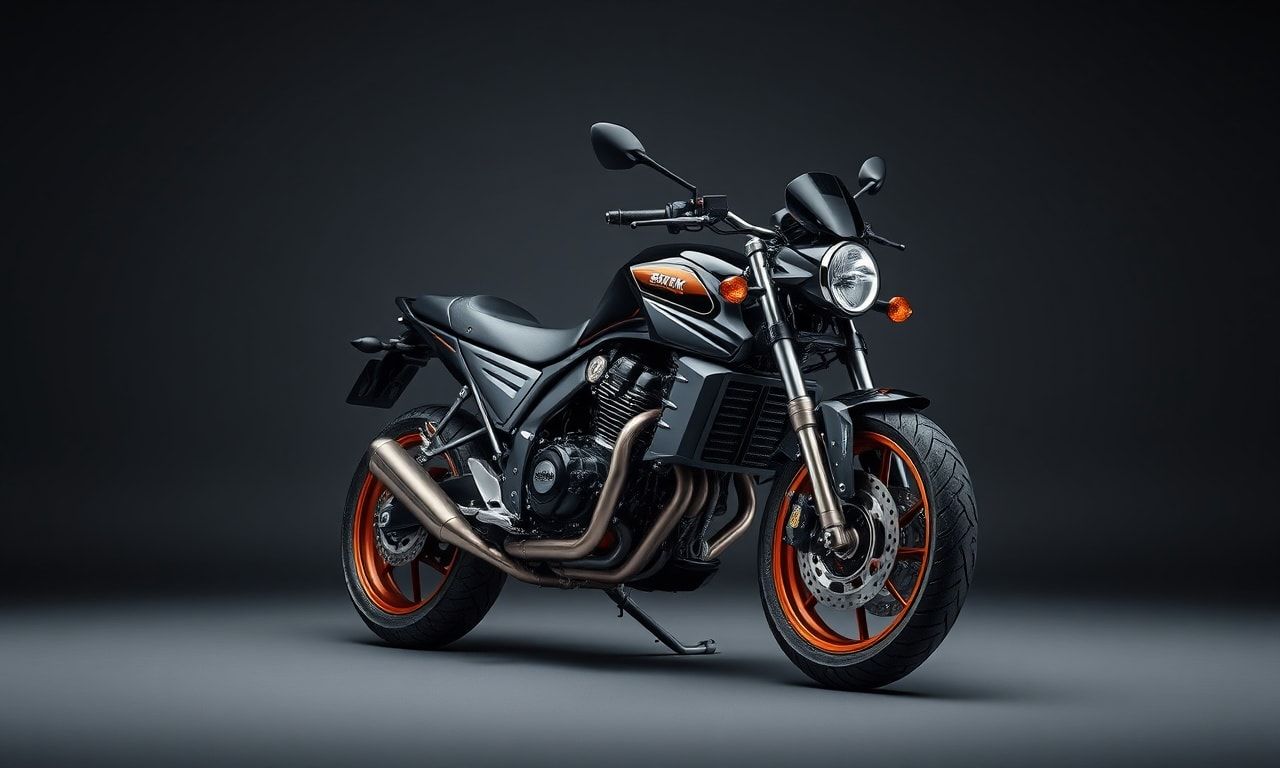
The Early Days of Motorcycle Technology
The history of motorcycle technology is a fascinating journey that reflects the broader advancements in engineering and design. In the late 19th century, the first motorcycles were essentially bicycles with added engines. These early models were rudimentary, often unreliable, and lacked the sophistication we see in modern machines. However, they laid the groundwork for future innovations. The focus was primarily on functionality, with little attention to comfort or aesthetics. As the technology evolved, so did the demand for more powerful and efficient engines, leading to the development of internal combustion engines that could deliver higher speeds and better performance.
The Golden Age of Motorcycle Innovation
The mid-20th century marked the golden age of motorcycle innovation. This period saw the introduction of advanced features such as hydraulic brakes, electric starters, and improved suspension systems. Manufacturers began to focus on both performance and comfort, leading to the development of more ergonomic designs. The introduction of disc brakes revolutionized stopping power, while advancements in engine design improved fuel efficiency and power output. This era also saw the rise of iconic brands that continue to dominate the market today. The competition among manufacturers drove rapid technological advancements, benefiting riders with more reliable and capable machines.
The Digital Revolution and Modern Motorcycles
In recent decades, the digital revolution has had a profound impact on motorcycle technology. The integration of electronic systems has transformed the riding experience, enhancing both safety and performance. Modern motorcycles are equipped with advanced features such as anti-lock braking systems (ABS), traction control, and electronic suspension systems. These technologies not only improve safety but also provide a more enjoyable riding experience. Additionally, the use of lightweight materials like carbon fiber and aluminum has made motorcycles more agile and fuel-efficient. The digital age has also brought about the development of smart motorcycles, which can connect to smartphones and other devices, offering features like GPS navigation and real-time diagnostics.
One of the most significant advancements in modern motorcycle technology is the integration of sophisticated software systems. These systems enable real-time monitoring and adjustment of various components, ensuring optimal performance. For instance, the use of Redis integration in motorcycle software allows for efficient data management and quick access to critical information, enhancing the overall riding experience. This level of technological sophistication was unimaginable just a few decades ago, highlighting the rapid pace of innovation in the motorcycle industry.
The Future of Motorcycle Technology
The future of motorcycle technology looks promising, with several exciting developments on the horizon. Electric motorcycles are gaining popularity due to their environmental benefits and lower operating costs. Advances in battery technology are making electric motorcycles more powerful and capable of longer ranges. Autonomous driving technology is another area of interest, with the potential to revolutionize the way we ride. While fully autonomous motorcycles may still be some time away, the integration of advanced driver-assistance systems (ADAS) is already making rides safer and more enjoyable.
Artificial intelligence (AI) is also playing a significant role in the future of motorcycle technology. AI-powered systems can analyze riding patterns, predict maintenance needs, and even adjust settings to optimize performance. This level of personalization ensures that each rider gets the best possible experience tailored to their specific needs. The integration of AI with other technologies like the Internet of Things (IoT) is creating a connected ecosystem that enhances both safety and convenience. As these technologies continue to evolve, the future of motorcycle technology looks brighter than ever.
The Impact of Technology on Motorcycle Culture
The advancements in motorcycle technology have had a profound impact on motorcycle culture. Riders today have access to a wide range of features and options that cater to their specific needs and preferences. The focus on safety and performance has made riding more accessible to a broader audience, including beginners and casual riders. The integration of digital technologies has also created new opportunities for community building and sharing experiences. Online forums, social media groups, and dedicated apps allow riders to connect, share tips, and organize group rides, fostering a sense of camaraderie and shared passion.
Moreover, the emphasis on sustainability and environmental responsibility has influenced the design and development of modern motorcycles. Manufacturers are increasingly focusing on creating eco-friendly models that reduce emissions and minimize environmental impact. This shift towards sustainability reflects the growing awareness and concern for the environment among riders and the general public. As technology continues to evolve, the motorcycle culture will likely adapt and grow, embracing new trends and innovations that enhance the riding experience.
To ensure you’re well-informed about protecting your skin, consider exploring the best sunscreen choices available in our comprehensive guide.
Discover how digital transformation is reshaping the fashion world through artisan web platforms in our latest feature, the future of fashion online.
Curious about how software development has transformed over the years? Dive into the journey from Waterfall to DevOps and discover the fascinating evolution of this dynamic field.