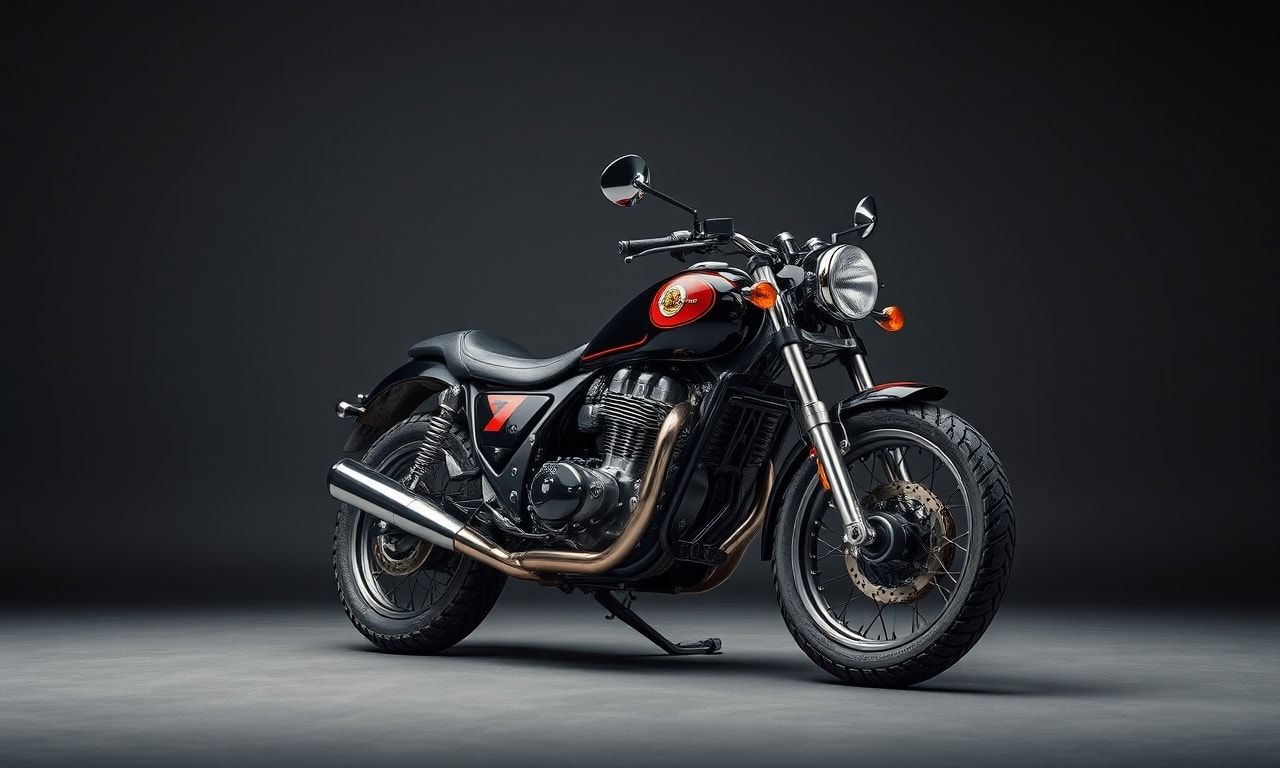
The Birth of Motorcycling
The story of motorcycling begins in the late 19th century, a time of significant technological advancements. The first motorcycles were essentially bicycles with engines attached. These early designs were rudimentary, often using steam or internal combustion engines. The first patent for a motorcycle was granted to Sylvester Roper in 1869, marking the beginning of a new era in personal transportation.
By the early 20th century, motorcycle design had evolved significantly. Companies like Harley-Davidson and Indian Motorcycle began producing machines that were more reliable and powerful. These early motorcycles were used for both personal transportation and military purposes, demonstrating their versatility and durability.
The Golden Age of Motorcycling
The 1920s and 1930s are often referred to as the Golden Age of Motorcycling. This period saw the rise of motorcycle racing and the establishment of iconic brands. The Isle of Man TT, one of the most prestigious motorcycle races, began in 1907 and quickly became a symbol of speed and adventure.
During this time, motorcycles became more than just a mode of transportation; they became a symbol of freedom and rebellion. The image of the lone rider on an open road captured the imagination of people around the world. This romanticized view of motorcycling has endured to this day, influencing popular culture and media.
The Impact of World War II
World War II played a crucial role in the development of motorcycling technology. The military’s need for reliable and efficient transportation led to significant advancements in engine design and durability. Motorcycles like the Harley-Davidson WLA and the BMW R75 became legendary for their performance under extreme conditions.
After the war, many of these military motorcycles were repurposed for civilian use, making them more accessible to the general public. This influx of motorcycles into the civilian market helped to popularize motorcycling as a recreational activity.
The Modern Era of Motorcycling
The post-war period saw a boom in motorcycle production and innovation. Japanese manufacturers like Honda, Yamaha, and Kawasaki entered the market, introducing new technologies and designs that revolutionized the industry. The Honda Super Cub, introduced in 1949, became one of the best-selling motorcycles of all time, demonstrating the growing global appeal of motorcycling.
In the 1960s and 1970s, motorcycle racing reached new heights with the introduction of the Grand Prix World Championship. Riders like Giacomo Agostini and Mike Hailwood became household names, inspiring a new generation of riders. The development of high-performance engines and advanced materials like carbon fiber further pushed the boundaries of what was possible in motorcycle design.
The Role of Motorcycling in Popular Culture
Motorcycling has had a significant impact on popular culture, influencing everything from music to film. The image of the outlaw biker, popularized by movies like “Easy Rider” and TV shows like “Sons of Anarchy,” has become an enduring archetype. This portrayal of motorcycling as a symbol of rebellion and freedom continues to captivate audiences worldwide.
In addition to its cultural influence, motorcycling has also played a role in various forms of entertainment. From motorcycle stunts in action movies to the thrilling races depicted in documentaries, the sport has provided endless inspiration for storytellers. For those interested in the latest trends in television, checking out en yeni diziler incelemeleri can offer a glimpse into how motorcycling continues to be woven into modern narratives.
The Future of Motorcycling
As we look to the future, the motorcycle industry is embracing new technologies and sustainable practices. Electric motorcycles, like those produced by Zero Motorcycles and Harley-Davidson, are becoming increasingly popular. These eco-friendly alternatives offer the same thrill and performance as traditional motorcycles while reducing environmental impact.
The integration of smart technology is another exciting development in the world of motorcycling. Features like GPS navigation, adaptive cruise control, and advanced safety systems are making riding safer and more enjoyable. These innovations are attracting a new generation of riders who value both performance and connectivity.
In conclusion, the evolution of motorcycling is a testament to human ingenuity and the enduring appeal of the open road. From the early days of steam-powered bicycles to the high-tech electric motorcycles of today, the journey has been one of constant innovation and cultural significance. As we continue to explore new frontiers in technology and design, the spirit of motorcycling remains as vibrant and inspiring as ever.
Ever wondered how to make daily life a bit easier? Our latest piece, practical tips for everyday living, shares useful information to help you navigate through common situations.