
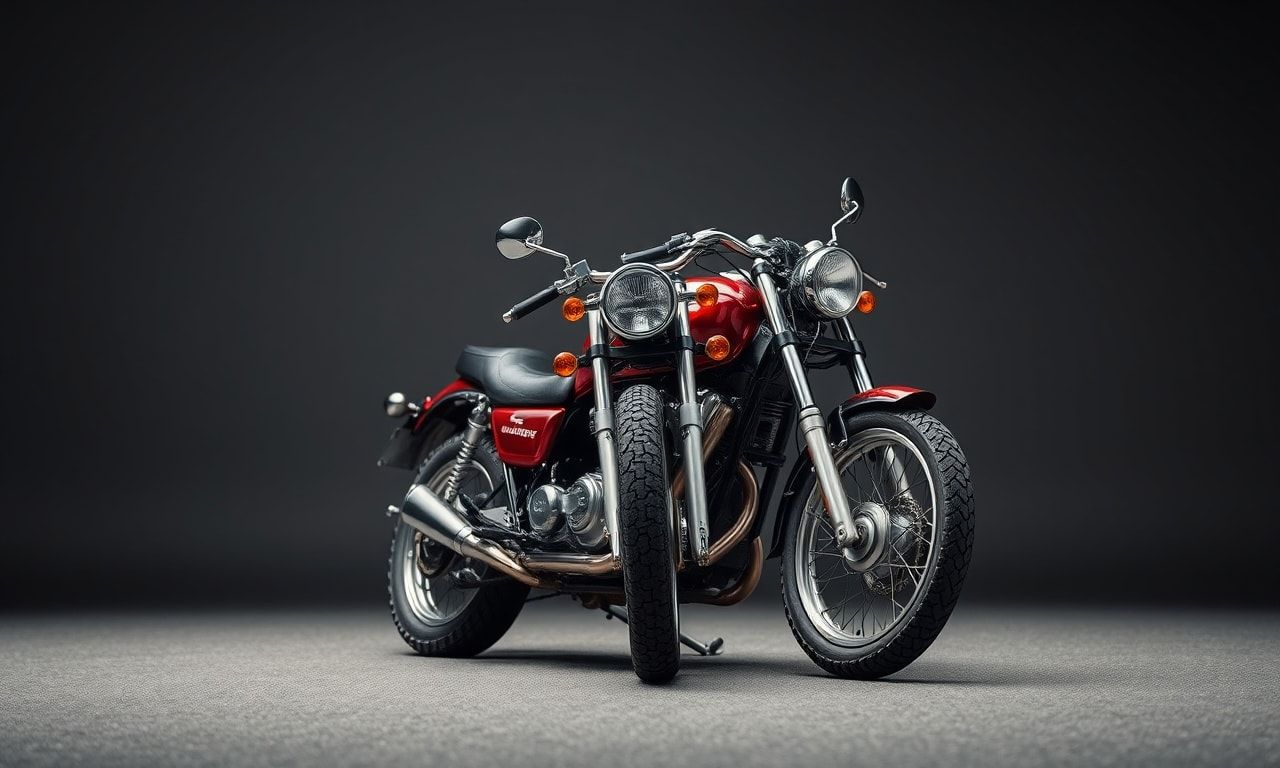
The Birth of Motorcycling
The story of motorcycling begins in the late 19th century, a time of significant technological advancements. The first internal combustion engine was patented in 1879, paving the way for the development of motorized vehicles. By 1885, the first true motorcycle, the Daimler Reitwagen, was created by the German inventors Gottlieb Daimler and Wilhelm Maybach. This three-wheeled vehicle was the precursor to modern motorcycles, marking the beginning of a new era in personal transportation.
The early 20th century saw rapid advancements in motorcycle design and engineering. Companies like Harley-Davidson, Indian, and Triumph emerged as leaders in the industry, producing motorcycles that were not only faster but also more reliable. These early motorcycles were primarily used for practical purposes, such as transportation and delivery services, but they soon gained popularity among enthusiasts for recreational riding.
The Golden Age of Motorcycling
The 1920s and 1930s are often referred to as the Golden Age of Motorcycling. During this period, motorcycle design evolved significantly, with manufacturers focusing on improving performance, comfort, and style. Streamlined designs, improved suspension systems, and more powerful engines became the norm. Motorcycle racing also gained popularity, with events like the Isle of Man TT attracting riders and spectators from around the world.
This era also saw the rise of motorcycle clubs and subcultures. Riders formed tight-knit communities, sharing a passion for the open road and the freedom that motorcycling offered. The image of the rugged, independent motorcyclist became a cultural icon, inspiring literature, film, and art. The Golden Age laid the foundation for the modern motorcycle culture that continues to thrive today.
The Impact of World War II
World War II had a profound impact on the motorcycle industry. Military demand for reliable, durable motorcycles led to significant advancements in design and manufacturing. Companies like Harley-Davidson and Triumph produced thousands of motorcycles for the war effort, supplying Allied forces with vehicles that were essential for reconnaissance, communication, and transportation.
The post-war period saw a boom in motorcycle production as manufacturers shifted their focus back to civilian markets. The demand for motorcycles surged as soldiers returned home, seeking affordable and efficient transportation. This period also saw the introduction of new technologies, such as electric starters and hydraulic brakes, which greatly improved the riding experience.
The Modern Era
The latter half of the 20th century and the early 21st century have been marked by continuous innovation in motorcycle design and technology. Manufacturers like Honda, Yamaha, Kawasaki, and Suzuki have emerged as global leaders, producing a wide range of motorcycles to cater to diverse riding styles and preferences.
Today’s motorcycles are equipped with advanced features such as anti-lock braking systems (ABS), traction control, and electronic fuel injection. These technologies have significantly enhanced safety and performance, making motorcycling more accessible and enjoyable for riders of all skill levels. Additionally, the rise of electric motorcycles and hybrid models reflects the industry’s commitment to sustainability and environmental responsibility.
For those interested in staying updated with the latest developments in motorcycling and other general topics, dersveren güncel haberler dergisi güncelleme en son gelişmeler offers a wealth of information and insights. Whether you’re a seasoned rider or a newcomer to the world of motorcycling, staying informed about industry trends and advancements can enhance your riding experience and keep you connected to the vibrant motorcycle community.
The Future of Motorcycling
The future of motorcycling looks promising, with ongoing advancements in technology and design. Electric motorcycles are gaining popularity, offering a cleaner and more sustainable alternative to traditional gasoline-powered bikes. Companies like Zero Motorcycles and Harley-Davidson have already introduced electric models, and many other manufacturers are following suit.
Autonomous driving technology is another area of innovation that could revolutionize the motorcycle industry. While self-driving cars have garnered much attention, the development of autonomous motorcycles is also underway. These advancements could enhance safety and convenience, making motorcycling more accessible to a broader audience.
As the motorcycle industry continues to evolve, it is essential to stay informed about the latest trends and developments. Whether you’re interested in the history of motorcycling, the latest technological advancements, or the cultural impact of motorcycle culture, there is always something new to discover and explore. By staying connected to the motorcycle community and keeping up with industry news, you can enhance your riding experience and stay ahead of the curve.
Seeking to enhance your daily life and well-being? Discover practical tips for a better lifestyle in our latest article, transforming your life effectively.
If you’re seeking inspiration for your next outdoor adventure, consider exploring camping spots around the globe that offer unique connections with nature.
Dive into the vibrant cultural scene of Dhaka with our latest feature, exploring the city’s artistic heartbeat, offering a deep dive into what makes this metropolis unique.