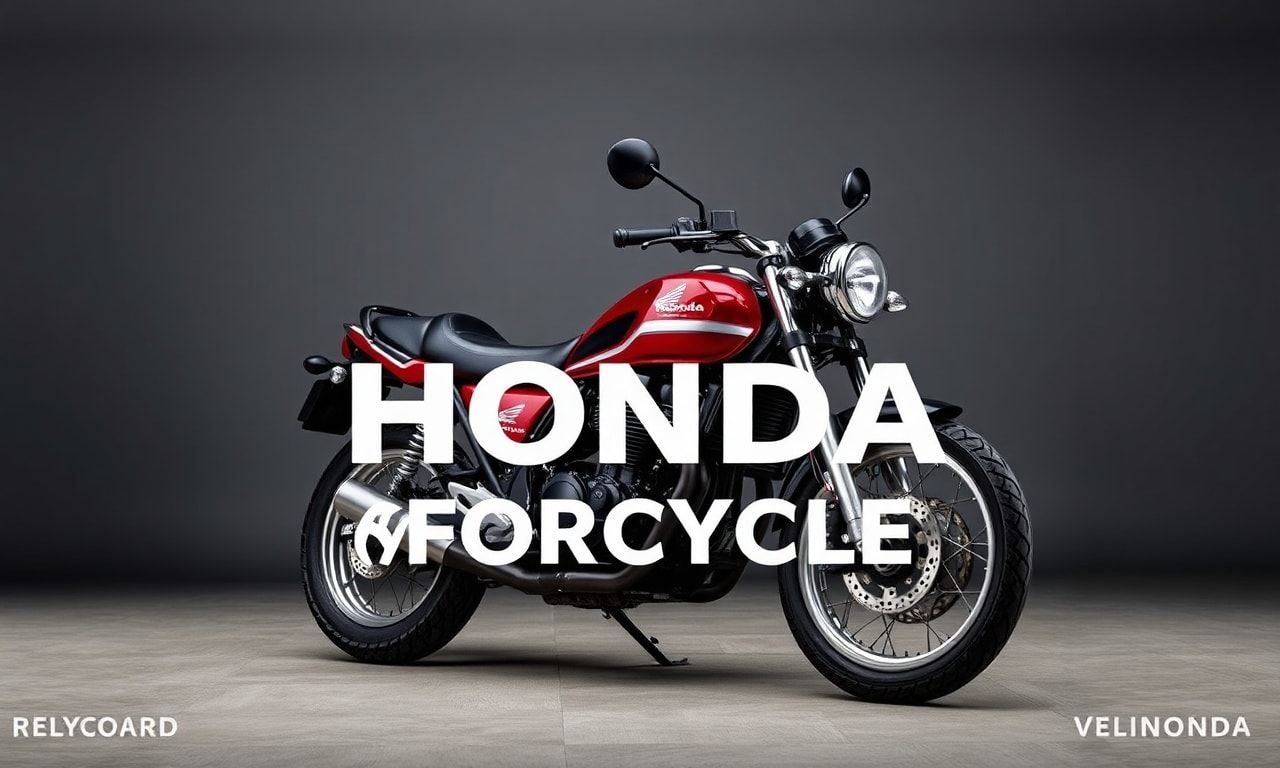
The Rich History of Honda Bikes
Honda Motor Company, founded in 1948 by Soichiro Honda and Takeo Fujisawa, has grown to become one of the world’s leading manufacturers of motorcycles and other power equipment. The company’s journey began with the production of motorized bicycles, and over the decades, it has evolved into a global powerhouse known for its innovative and reliable bikes. Honda’s commitment to quality and technological advancement has made it a household name in the motorcycle industry.
The first Honda motorcycle, the Dream D-Type, was introduced in 1949 and quickly gained popularity for its durability and performance. This success laid the foundation for Honda’s expansion into various motorcycle segments, including sports bikes, cruisers, and off-road vehicles. Today, Honda bikes are synonymous with excellence, catering to a diverse range of riders from beginners to professional racers.
Honda’s impact on the motorcycle industry extends beyond its products. The company has been a pioneer in developing new technologies and setting industry standards. For instance, Honda introduced the world’s first production motorcycle with a four-stroke engine, the Super Cub, in 1958. This innovation revolutionized the industry and set a new benchmark for motorcycle design and performance.
Popular Honda Bike Models
Honda offers a wide range of motorcycle models designed to meet the needs of different riders. Whether you are looking for a bike for daily commuting, off-road adventures, or high-speed racing, Honda has something to offer. Here are some of the most popular Honda bike models:
- Honda CBR Series: Known for their sporty design and high performance, the CBR series includes models like the CBR1000RR and CBR650R, which are favored by racing enthusiasts and speed lovers.
- Honda Gold Wing: A luxury touring bike that offers comfort and advanced features, making it ideal for long-distance travel.
- Honda Africa Twin: Designed for off-road adventures, this bike combines ruggedness with modern technology, making it a favorite among adventure seekers.
- Honda Rebel: A classic cruiser bike that is perfect for both beginners and experienced riders looking for a stylish and easy-to-handle ride.
- Honda PCX: A compact and efficient scooter that is ideal for urban commuting, offering a balance of style, comfort, and fuel efficiency.
Choosing the Right Honda Bike
Selecting the right Honda bike depends on your riding style, experience level, and specific needs. For beginners, models like the Honda Rebel or the Honda CB300R are excellent choices due to their user-friendly design and manageable power. Experienced riders might prefer the high-performance CBR series or the adventure-ready Africa Twin. Commuters can benefit from the practicality and efficiency of the Honda PCX scooter.
When choosing a Honda bike, consider factors such as engine size, fuel efficiency, comfort, and additional features like advanced braking systems and electronic aids. It’s also a good idea to test ride different models to get a feel for their handling and performance. Honda dealerships often offer test rides, allowing you to make an informed decision before purchasing.
Maintenance Tips for Honda Bikes
Regular maintenance is crucial to keeping your Honda bike in top condition and ensuring its longevity. Here are some essential maintenance tips to follow:
- Regular Oil Changes: Changing the engine oil at recommended intervals helps maintain engine health and performance. Refer to your bike’s manual for the specific oil change schedule.
- Chain and Sprocket Care: Keep the chain clean and properly lubricated to prevent wear and tear. Regularly check the chain tension and adjust it as needed.
- Tire Maintenance: Ensure your tires are properly inflated and have adequate tread depth. Regularly inspect them for signs of wear or damage.
- Brake Inspection: Check the brake pads and discs for wear and replace them when necessary. Properly functioning brakes are essential for safety.
- Battery Care: Keep the battery terminals clean and check the battery’s charge regularly. If your bike has a lithium-ion battery, follow the manufacturer’s guidelines for maintenance.
In addition to these basic maintenance tasks, it’s important to follow the service schedule outlined in your bike’s manual. Regular servicing by a professional mechanic can help identify potential issues early and prevent costly repairs. Investing in quality maintenance products and tools can also make a significant difference in the longevity and performance of your Honda bike.
Financial Planning for Bike Owners
Owning a Honda bike involves not only the initial purchase but also ongoing expenses such as maintenance, insurance, and fuel costs. Proper financial planning can help you manage these expenses effectively. For instance, using tools like faiz hesaplama için en iyi yazılımlar 2026 can assist you in calculating interest rates and planning your finances better. This can be particularly useful if you are considering financing options for your bike purchase or managing your monthly budget.
Creating a budget for your bike-related expenses can help you stay on track financially. Allocate funds for regular maintenance, unexpected repairs, and accessories. Setting aside a portion of your budget for these expenses can prevent financial strain and ensure that your bike remains in optimal condition. Additionally, consider investing in a good insurance policy to protect your bike against theft, accidents, and natural disasters.
Conclusion
Honda bikes have a rich history and a diverse range of models to suit every rider’s needs. From the iconic Gold Wing to the sporty CBR series, Honda offers bikes that combine performance, innovation, and reliability. Regular maintenance and proper financial planning are essential to enjoying your Honda bike to the fullest. By following the tips outlined in this guide, you can ensure that your Honda bike remains a reliable and enjoyable companion on all your adventures.
To enhance your business acumen, delve into key financial management principles that drive success.
To grasp the broader implications of economic policies, consider exploring interest rates’ global economic effects in our latest feature.
If you're looking to navigate the investment world with ease, check out your guide to smart investing for practical advice and tips.