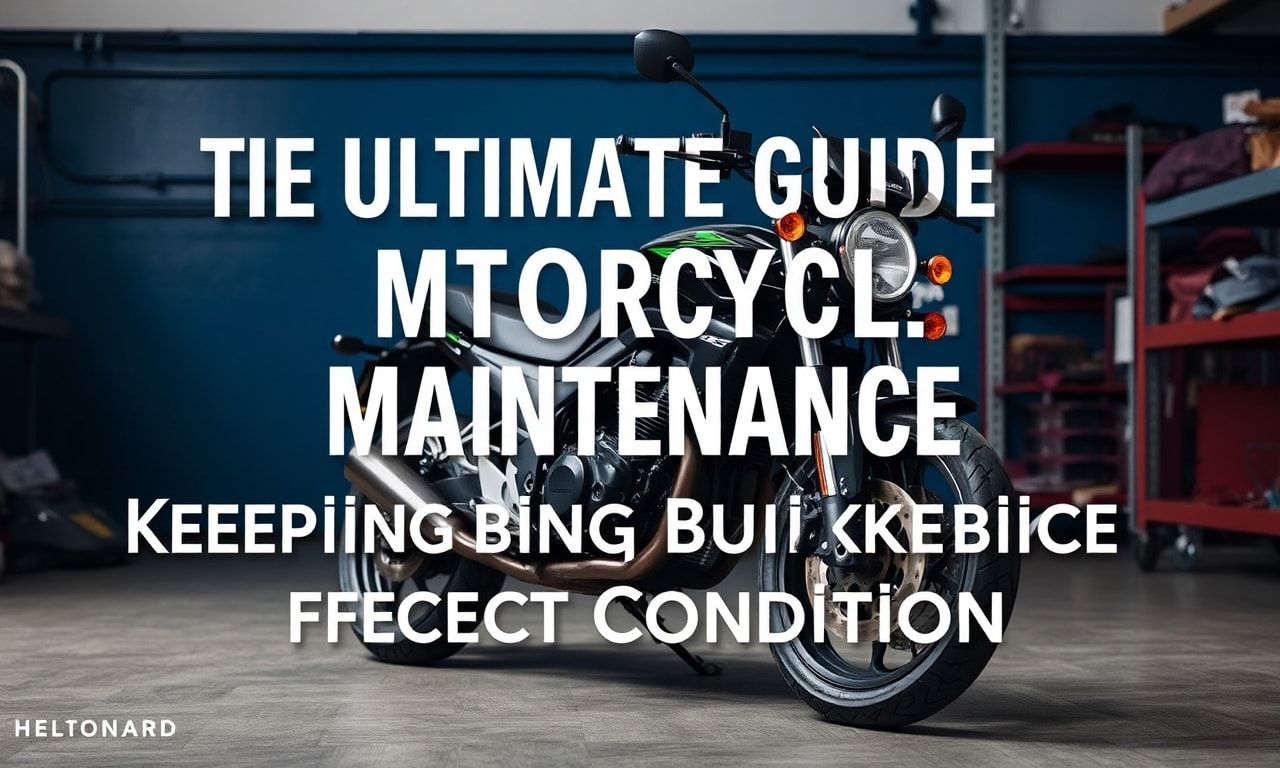
Introduction
Owning a Honda bike is an experience like no other. Known for their reliability and performance, Honda motorcycles are a favorite among riders worldwide. However, to ensure your bike remains in top condition, regular maintenance is crucial. This comprehensive guide will walk you through the essential steps to keep your Honda motorcycle running smoothly and efficiently.
Regular Inspections
Regular inspections are the cornerstone of motorcycle maintenance. Start by checking the tire pressure and tread depth. Proper tire pressure ensures optimal handling and fuel efficiency, while adequate tread depth is essential for traction and safety. Additionally, inspect the brakes for wear and tear. Brake pads should be replaced when they are worn down to the indicator grooves.
Next, examine the chain and sprocket for signs of wear. A well-maintained chain ensures smooth power transfer from the engine to the rear wheel. Lubricate the chain regularly to prevent rust and extend its lifespan. Also, check the lights and signals to ensure they are functioning correctly. Proper lighting is vital for visibility and safety on the road.
Fluid Checks and Changes
Regularly checking and changing the fluids in your Honda bike is essential for its longevity. Engine oil is the lifeblood of your motorcycle, and it should be changed according to the manufacturer’s recommendations. Old or dirty oil can cause engine damage and reduce performance. Similarly, check the coolant level and condition. Coolant helps regulate the engine temperature and prevents overheating.
Don’t forget to inspect the brake fluid and clutch fluid levels. Brake fluid should be clear and free of contaminants. If it appears dark or murky, it’s time for a change. Clutch fluid should also be checked and replaced if necessary. Maintaining the correct fluid levels ensures optimal performance and safety.
Cleaning and Detailing
Keeping your Honda bike clean not only enhances its appearance but also helps prevent rust and corrosion. Regular washing removes dirt, grime, and road salt that can damage the paint and metal components. Use a mild detergent and a soft cloth to avoid scratching the surface. Pay special attention to the chain, sprockets, and brake components, as these areas are prone to dirt buildup.
For a thorough clean, consider using specialized motorcycle cleaning products. These products are designed to remove tough stains and protect the bike’s finish. Additionally, waxing the paintwork provides an extra layer of protection against the elements. Regular cleaning and detailing will keep your Honda bike looking and performing its best.
DIY Maintenance Tips
While professional maintenance is essential, there are several tasks you can perform yourself to keep your Honda bike in top condition. Changing the air filter is a simple task that can significantly improve engine performance. A clean air filter ensures that the engine receives the right amount of air for efficient combustion.
Another DIY task is adjusting the chain tension. A properly tensioned chain ensures smooth power transfer and extends the life of the chain and sprockets. Refer to your motorcycle’s manual for the correct chain tension specifications. Additionally, checking and adjusting the valve clearances is crucial for optimal engine performance. Incorrect valve clearances can lead to poor engine performance and potential damage.
For those interested in natural health products, consider exploring doğal sağlık ürünleri 2026 güncel güncelleme güncel güncelleme. These products can complement your overall well-being and enhance your riding experience.
Professional Maintenance
While DIY maintenance is beneficial, some tasks require professional expertise. Regular servicing by a certified Honda mechanic ensures that your bike receives the best care. Professional maintenance includes tasks such as valve adjustments, carburetor tuning, and engine diagnostics. These tasks require specialized tools and knowledge that only a professional can provide.
Additionally, professional maintenance includes checking the suspension components for wear and tear. Properly functioning suspension ensures a smooth and comfortable ride. A professional mechanic can also inspect the electrical system for any potential issues. Regular professional maintenance extends the life of your Honda bike and ensures optimal performance.
Conclusion
Maintaining your Honda bike is essential for its longevity and performance. Regular inspections, fluid checks, cleaning, and DIY maintenance tasks are crucial for keeping your motorcycle in top condition. However, some tasks require professional expertise. By combining DIY maintenance with professional servicing, you can ensure that your Honda bike remains reliable and performs at its best. Happy riding!
If you’re curious about the unique lifestyle and cultural essence of Panama, you’ll find our article the art of living in Panama an engaging and informative read.
Discover how physical activity can enhance learning in education through sports integration, an insightful piece on holistic learning approaches.
For a deeper understanding of this topic, Moda ile Günlük Hayatınızı Nasıl Geliştirebilirsiniz? offers valuable insights worth exploring.