

9 min read · Updated: 2026-10-14
This guide helps readers understand how to use Dundeenews.uk news and related services in Dundee. It explains what to expect, how to find reliable local updates, and how to take part in community life. You’ll learn practical steps to use the site for events, listings, and ads without confusion.
Whether you’re a resident, shopper, or small business, these steps keep you informed and connected. The goal is clear actions: read relevant updates, add events, list your business, or place an advert with confidence. By the end, you’ll have a straightforward path to using the Dundee-focused resources.
The guide prioritizes practical steps over theory, with concrete examples you can follow today. Each section offers a specific action and a quick check to ensure you’re using the site effectively. Expect plain language, realistic expectations, and a calm, steady pace for real readers.
- Dundeenews.uk news is a practical starting point for local updates in Dundee. Use it to read, filter, and verify information.
- Add events or listings with clear details to boost visibility and attendance.
- Advertising in Dundee should be targeted and measured for best results.
- Be mindful of accuracy, deadlines, and reader convenience to avoid common pitfalls.
Understanding the basics of Dundeenews.uk news
Core features to know
Start with the home page to spot the latest local stories and updates. Look for sections labeled by topic, such as community events or business news. This quick scan saves time and helps you follow topics that matter to you. dundeenews.uk news is a central source for Dundee residents seeking current local updates.
- Know where to find major sections on the home page
- Use filters to locate relevant stories
- Remember to check dates and sources
If you want depth, use the search bar to filter by date, location, or category. This avoids sifting through unrelated posts. Familiarize yourself with the site’s layout so you can navigate without hesitation.
Be mindful of date stamps and source notes when you read articles. They indicate freshness and reliability, guiding you to trust-worthy information and avoid outdated content.
- Use the main navigation to reach local news quickly
- Check timestamps before sharing
- Bookmark key topics for easy access
- Note any editorial disclaimers for context
- Compare multiple posts on the same topic
Where to start your reading
Begin with the top headlines to get a sense of the day’s priorities in Dundee. Then skim the summaries to decide which articles deserve a deeper read. This helps you allocate time efficiently.
Open a second tab to read related local updates while you stay on the main page, keeping context fresh. If a link seems unclear, return to the homepage and re-check the category labels for guidance.
End with a quick recap by scanning the conclusion or the author notes to understand the editorial stance and any potential biases.
- Start with headlines, then summaries
- Open related articles in parallel
- Review author notes for context
- Use category labels to refine your choice
- Mark items to revisit later
How to add events or listings

Posting an event
To add an event, gather essential details: date, time, venue, and a brief description. Use exact location names and avoid ambiguous terms. A concise address helps readers find the place easily. add an event to the Dundee events calendar is a straightforward process with clear fields and timing.
Fill in a clear event category so readers can filter by type, like music, workshop, or community gathering. Include a contact method for questions and a registration link if available.
Review your draft for typos and ensure the timing aligns with the Dundee local calendar. A well-formatted listing increases attendance and engagement.
- Include full address and contact
- Choose a specific category
- Use a clear, concise title
- Provide a registration link if needed
- Proofread before submission
Listing a business or service
A business listing should highlight what you offer, where you’re located, and who you serve. Write a short, practical description that answers the question ‘what’s in it for readers?’
Add hours, payment methods, and any accessibility notes to help readers plan. Include photos if the site supports it, but ensure image quality is high enough for clear viewing.
Regularly update your listing to reflect changes in services or hours. An accurate listing keeps readers informed and reduces inquiries.
- Describe benefits briefly
- Include practical details
- Keep hours and contact current
- Add high-quality visuals if allowed
- Update when changes occur
How to place advertising in Dundee
Advertising basics
Understand the different ad formats offered, such as banner ads, sponsored posts, and classified listings. Choose the format that best fits your objective and budget. get your business listed in Dundee helps readers find local services quickly and accurately.
Plan your message to be clear and direct, focusing on a single value proposition. Use a strong call to action that tells readers exactly what to do next.
Check the publication schedule and any deadlines for artwork or copy to ensure your ad goes live when intended.
- Choose the right ad format
- Keep the message concise
- Include a clear call to action
- Meet all deadlines
| Format | Pros | Cons |
|---|---|---|
| Banner ad | High visibility | Can be costly and cluttered |
| Sponsored post | Contextual relevance | May seem promotional to readers |
| Classified listing | Simple to publish | Limited space and impact |
Budgeting and measuring impact
Set a realistic budget based on your goals and the size of the audience. Track responses such as calls, visits, or inquiries to gauge effectiveness.
Ask for a simple report after a campaign run to learn what worked and what didn’t. Use that feedback to plan your next ad more efficiently.
Coordinate with other marketing efforts to avoid ad fatigue and keep your messages fresh.
- Estimate a sensible budget
- Track key responses
- Review post-campaign learnings
- Coordinate with other channels
Map common questions readers have, such as where to find event listings or how to submit notices.
advanced planning
Defining your local audience
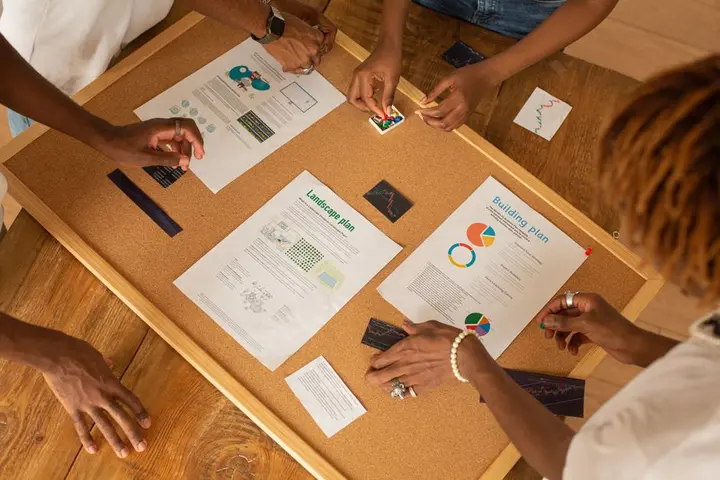
Start by listing the kinds of readers who rely on Dundeenews.uk for Dundee coverage. Identify interests like local events, school updates, and council decisions to tailor your notes. This upfront work keeps reporting focused and useful for a general audience. place an advert in Dundee should be planned with a clear objective and measurement in mind.
Map common questions readers have, such as where to find event listings or how to submit notices. Use those questions to shape your planning calendar and content mix. Clear aims prevent wandering topics and improve reader trust.
- Know your peak reading times
- Track recurring events
- Prioritize reader-submitted material
- Set a simple submission deadline
- Maintain a local angle
Choosing sources and calendars
Build a short list of primary sources such as council pages, library notices, school newsletters, and nearby community groups. Cross-check events across two sources to reduce errors. This habit saves time and boosts accuracy for general readers.
Publishers should note any conflicts between listings and avoid amplifying rumors. When in doubt, reach out with a brief verification request to the organizer. Clear sourcing strengthens credibility and reader confidence.
Be mindful of unofficial posts. Distinguish between confirmed information and speculative chatter to prevent misinformation.
- Use official calendars
- Verify dates with organizers
- Label uncertain items clearly
- Keep a running error log
- Prefer primary sources over social posts
audience tips
Listening to reader needs
Start with a quick reader survey once a quarter to identify gaps in Dundeenews.uk coverage. Translate results into concrete tweaks like more event reminders or how-to guides for submitting notices. This keeps the site relevant to daily life in Dundee. online obituaries in Dundee
- Run a quarterly reader poll
- Publish answers to top questions
- Feature reader-submitted items weekly
Explain how readers can contribute: a simple form, short text posts, or photo submissions. Emphasize that constructive feedback improves accuracy and usefulness.
Offer a sample reader question and show how you would answer it publicly to encourage participation and transparency.
- Ask for one improvement per issue
- Publish responses to common questions
- Provide clear submission guidelines
- Highlight reader contributions ready for posting
Crafting clear event listings
Event entries should answer who, what, when, where, and why in concise sentences. Use bullet points for times and venues to improve scan-ability. Readers appreciate a consistent format that makes it easy to save or share listings.
Include accessibility notes, ticketing info, and contact points only if verified. When in doubt, omit speculative details to avoid confusion.
Test listings on a mobile device to ensure readability and tap-friendly links before publishing.
- Use a fixed template
- Verify critical details
- Test on mobile
- Avoid jargon
- Offer a quick save option
safety and accuracy

Fact-checking basics
Adopt a simple two-step check: verify with the event organizer or source, then confirm with a secondary source. This reduces the chance of publishing incorrect dates or venues. Readers rely on Dundeenews.uk for trustworthy local information.
Avoid paraphrasing from a single post; paraphrase only after confirmation. When plans change, publish a clear revision note so readers aren’t misled.
Maintain a running log of corrections and reasons to illustrate accountability and transparency.
- Double-source critical items
- Publish corrections visibly
- Avoid anonymous tips
- Keep a minimal error log
- Communicate changes promptly
Privacy and safety norms
Respect privacy when listing events involving schools or families. Blur or omit sensitive personal details and rely on official notices whenever possible. This approach protects readers and reduces risk for organizers.
Avoid publishing unverified allegations or disputed information about individuals. Stick to facts that can be confirmed through public channels.
Provide a safety note for readers about crowded events or late-night gatherings to help people plan accordingly.
- Limit personal data
- Verify with official notices
- Warn about safety concerns
- Provide contact for corrections
next steps
Implementing a content routine
Set a weekly newsroom ritual: review upcoming events, confirm details, draft listings, and publish. A predictable cadence reduces errors and keeps readers informed. This routine also supports new contributors who want to submit notices.
Use a simple checklist for each item: verify, format, publish, and review. The consistency helps readers trust the site as a reliable local resource.
Share a calendar of key dates on the homepage so readers can plan ahead and submit early.
- Establish a fixed publishing cadence
- Create a public submission calendar
- Share a monthly topic focus
- Review submissions weekly
- Publish on the fixed day
Encouraging community involvement
Invite local groups to post updates directly, with moderation to keep quality high. This expands coverage without overloading editors and builds a sense of shared ownership.
Publish a simple contributor guide that explains what makes a good listing and how to submit. Clear rules reduce back-and-forth and speed up publishing.
Celebrate reader submissions by crediting contributors and linking to their pages when applicable.
- Create a visible submission path
- Moderate with clear rules
- Credit contributors
- Feature ongoing series
Frequently asked questions
How often should Dundeenews.uk publish event listings?
Publish frequency should align with reader needs and local activity. A consistent cadence—such as a weekly roundup plus occasional midweek updates—helps readers plan ahead without overwhelming them. Always verify details before posting and provide clear dates, venues, and contact points.
Can readers submit notices directly?
Yes. Provide a straightforward submission path with essential fields: event name, date, time, venue, brief description, and a contact for follow-up. Clear moderation criteria prevent clutter and maintain quality, while recognizing useful community contributions.
What happens when information changes?
Publish a correction or update as soon as the new details are confirmed. A visible corrections note and a brief explanation help readers adjust their plans and trust the source.
How do you ensure privacy and safety in listings?
Only share information that organizers publicly release. Avoid personal data and sensitive details, and include safety notes for crowded or late-night events to help readers plan responsibly.
Conclusion
Takeaways: This guide focuses on practical, reader-centered local coverage. By standardizing event templates, clarifying submission routes, and promptly correcting errors, Dundeenews.uk becomes a reliable daily resource for Dundee residents.
Next step: implement the event template and contributor guide this week, then publish a short correction log. Track reader feedback and adjust entries to stay useful and accurate.


