

9 min read · Updated: 2026-10-19
A solar eclipse is when the Moon blocks part or all of the Sun, casting a shadow on Earth. For readers, understanding the event helps you plan safe viewing and follow credible information as headlines rise. This guide explains what to expect, how to observe, and what matters most to everyday readers who encounter eclipse coverage.
You’ll learn the basic mechanics, safe viewing practices, and practical ways to engage with eclipse news without hype or confusion. The aim is to give you a clear frame for evaluating headlines, timing, and local opportunities to view the phenomenon.
By the end, you’ll know the key terms, where to look for reliable updates, and simple steps to participate or observe responsibly, no jargon required.
- A solar eclipse is when the Moon blocks the Sun, casting a shadow and creating viewing opportunities. Headlines arise from public interest, safety concerns, and visibility maps. You’ll learn safe viewing and how to evaluate information.
- The guide walks you through basics, safe methods, and practical ways to observe while avoiding hype. It also shows how to participate with community resources and reliable calendars.
- With concrete steps, you’ll know how to prepare, what to read, and where to observe. The emphasis is on safety, clarity, and useful participation for general readers.
- The article stays focused on practical outcomes: how to observe safely, how to verify information, and how to engage with eclipse headlines without confusion.
Basics you need to know
What a solar eclipse is
A solar eclipse occurs when the Moon comes between the Sun and the Earth, temporarily blocking sunlight. The alignment creates a shadow that darkens skies and can reveal the Sun’s corona in totality or only a crescent during partial phases. Most readers will experience a partial eclipse from their location, depending on the path of totality. Solar Eclipse US headlines—this is the kind of context that helps you understand how coverage shapes public interest and safety.
- Assuming all eclipses are the same; each type requires different viewing plans
- Looking directly at the Sun without certified eye protection
- Ignoring local safety guidance and weather notices
This event is about geometry and timing rather than spectacle alone; it depends on orbital mechanics that repeat over years. Understanding the phase names—partial, total, and annular—helps you follow forecasts and avoid misinformation.
Be mindful that viewing the Sun directly can cause eye damage; safe methods are essential for any viewing plan.
- Know the phase you’re likely to see
- Check local weather and hazard warnings
- Use approved solar viewers or eclipse glasses
- Avoid looking through sunglasses or unfiltered lenses
Why headlines appear
News outlets cover solar eclipses because they involve rare celestial alignment and public viewing opportunities. Headlines often emphasize safety, accessibility, and where to observe, which can shape public interest. Readers should distinguish between event hype and practical guidance.
Reporting tends to highlight locations with the best visibility or clear skies, but this can mislead if you live far from the path of totality. Relying on official forecasts and local observatories helps separate the signal from speculative chatter.
Reliable sources will explain timing windows, safety steps, and how to participate without risking your eyes or plans.
How to observe safely
Safety first for eyes and equipment
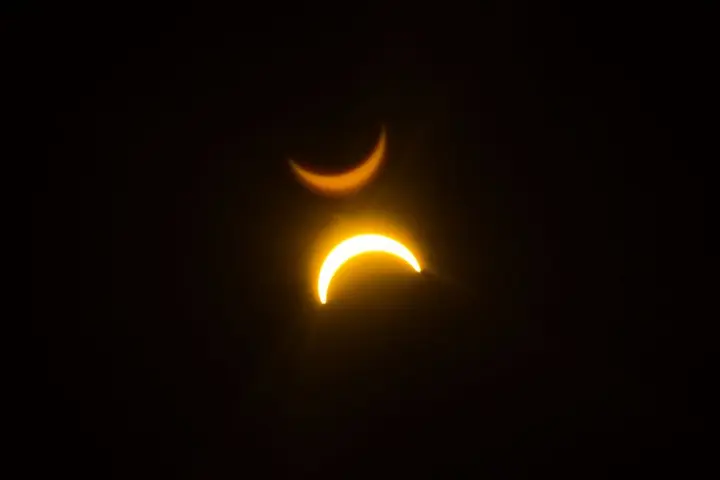
The safest approach is to use certified solar viewers or indirect viewing methods like pinhole projectors. Regular sunglasses do not protect your eyes from concentrated solar rays. Always supervise children and follow the guidance of reputable astronomy groups. add an event to the USA events calendar—checking local listings ensures you won’t miss community viewing opportunities.
Preparing your viewing setup in advance reduces last‑minute stress and ensures you can observe safely despite changing weather. Keep spare filters and a backup plan for cloudy skies. Know where you will stand and how long you’ll view each phase.
Never rush a glance at the Sun during any phase; even brief exposure can cause damage.
- Use only ISO-certified solar viewers
- Never look through unfiltered optics
- Create a simple pinhole camera for indirect viewing
- Have a plan for different forecast scenarios
Where to view and when to check
Local observatories, science centers, and astronomy clubs often host eclipse events with viewing tips and schedules. Public calendars or town notices can guide you to safe, organized opportunities. If you can’t travel, reputable livestreams offer a reliable alternative.
Timing is critical: the closest fits around rise, maximum coverage, and set determine the best viewing windows. Prepare to arrive early to secure a good spot and avoid crowding or last‑minute parking hassles.
Bridge your plans with weather outlooks and cloud cover forecasts to maximize your chances of a clear view.
- Check local venues and programs
- Arrive early and bring essentials
- Use official event schedules for peak moments
- Have a contingency for cloudier skies
Options for learning and participation
DIY learning tools
Begin with simple models: a lamp, a ball, and a sheet can recreate the eclipse phases at home. Free online simulations also let you manipulate distances and speeds to see how alignment affects visibility. These tools build intuition without special gear. register your company in the USA—clear eclipse coverage can guide corporate communications about safety and public engagement.
Children and adults alike benefit from hands-on projects that illustrate orbital motion. They translate abstract terms into concrete visuals that stay with you during headlines and forecasts.
Rely on reputable science education sites for accurate explanations and safe viewing reminders.
- Create a simple eclipse model
- Use simulations to explore timing
- Explore hands-on projects for all ages
Community events and resources
Partner with local libraries, universities, or science centers to access lectures, guided viewing, and citizen science projects. Community events often provide safety briefings, maps, and transit options. Participation connects you to a broader audience and expert guidance.
If you can’t attend in person, join virtual talks or webinars hosted by astronomy groups. These sessions often include Q&A opportunities and practical advice for safe observation.
Even simple meetups can transform your eclipse experience into a shared, educational moment.
- Look for official event calendars
- Join a local astronomy club
- Participate in a livestream or webinar
- Bring a notebook to capture observations
Learn to read the fine print on safety advisories and viewing instructions.
Pitfalls to avoid and how to spot reliable info
Spotting misinformation
Expect catchy headlines and sensational images, but verify timing and visibility with official forecasts. Misinformation often mislabels a partial eclipse as a total event or uses outdated maps. Cross-check with trusted space agencies or local observatories. place an advert in the USA—timely, safe viewing tips can accompany responsible promotional messages and reach a broad audience.
- ☐ Falling for dramatic but incorrect timing
- ☐ Ignoring official viewing guidelines
- ☐ Sharing rumors as fact
Learn to read the fine print on safety advisories and viewing instructions. If something sounds magical or certain, pause and confirm before sharing.
When in doubt, consult multiple sources and favor firsthand accounts from credible organizations.
- Check multiple reputable sources
- Ignore unverified social posts
- Prioritize official safety guidance
How to verify a source quickly
Start with the source’s domain and author credentials if listed. Reputable outlets usually provide a date, editorial standards, and contact information. For event information, look for local organizers or science centers as corroborators.
Compare essential details like time windows and viewing instructions across two or three trusted sources. If discrepancies exist, wait for an official update rather than guessing.
Keep your skepticism intact and prioritize sources that describe their methods and limitations.
- Check author and date
- Cross-check with official calendars
- Prefer primary sources for forecasts
Ethics and public discourse around celestial events
Public conversation norms in science reporting
Public conversations around celestial events shape how people interpret what they see. Clear language helps neighbors and students alike understand why an event matters. Journalists should separate hype from facts and invite questions from readers. announce a death in the USA
- Use plain language and concrete examples.
- Avoid gatekeeping or elitist attitudes.
- Offer generic resources and cautions rather than specific brands.
When coverage rises around an eclipse, communities often discuss safety, accessibility, and inclusivity. Providing practical tips helps families plan observances that are safe and affordable. This approach builds trust and reduces misinformation.
As coverage broadens, editors can offer context about historical significance without sensationalism. Explaining what an eclipse is and why it happens reduces confusion for first‑time observers. Readers gain confidence to explore astronomy on their own.
- Encourage questions from readers
- Provide safety and accessibility tips
- Avoid speculative hype
Technical terms you’ll meet during eclipse coverage

Glossary of core terms and concepts
Eclipse-related terms include nodes, penumbra, totality, and corona. Understanding these words helps readers follow explainers and demonstrations. A clear glossary can accompany visuals and diagrams.
Explaining how the sun, moon, and Earth align clarifies why counts of seconds of darkness matter. Readers should feel equipped to read a map of visibility and timing. Simple definitions prevent misreading live updates.
Practical examples, like describing why partial views differ across locations, help connect vocabulary to real events. Readers who grasp the terms are more likely to pursue further learning.
Space science and education for all ages
Learning paths for curious minds
Eclipse coverage can introduce basic astronomy concepts to all ages. Programs that pair hands‑on activities with explanations support varied learning styles. Parents and teachers benefit from ready‑to‑use, simple demonstrations.
- Introduce core concepts with visuals.
- Provide simple, safe activities.
- Suggest next steps for further learning.
Educational activities can include sun‑safe viewing, building pinhole projectors, and observing changes in daylight. These activities connect classroom science to real events in the sky. Keeping projects accessible helps sustain interest beyond a single date.
Long‑term curiosity grows when readers see how a single event fits into broader space science. Encourage follow‑ups like citizen science projects, planetarium visits, or library lectures. This framing turns a moment into a pathway for ongoing learning.
- Hands-on viewing basics
- At‑home demonstrations
- Community education opportunities
Turning curiosity into ongoing learning
Sustaining interest after the event
Curiosity often fades after the spectacle ends unless readers have concrete steps. Suggesting a plan helps convert interest into ongoing study. A steady cadence of observations or readings keeps momentum.
Readers respond to guidance that connects events to accessible resources like local clubs, online courses, or museum programs. Clear roadmaps reduce decision fatigue and encourage commitment.
Long‑term learning requires regular practice, not one‑off attention. Regular stargazing nights, monthly newsletters, and beginner astronomy kits can sustain participation. The goal is to turn a moment into a habit.
- Find a local astronomy club
- Join a beginner course
- Subscribe to a reading list
- Schedule a monthly observation
Frequently asked questions
What exactly is a solar eclipse?
A solar eclipse occurs when the Moon passes between the Sun and Earth, casting a shadow on Earth and briefly darkening the day. It happens only when the Sun, Moon, and Earth align just so, not every month. Most readers can imagine it as a temporary, partial blocking of the Sun.
How can I observe it safely from home?
Use eclipse glasses that meet safety standards or observe indirectly with a pinhole projector or reflective methods. Do not look directly at the Sun without protection, even during a partial eclipse. Seek advice from local science centers or astronomy clubs for safe viewing spots.
How long does totality last where I am?
Totality lasts only a short while, and its duration depends on location. A simple sky guide can tell you if you’re in the path of totality, a partial view, or none at all. Timing is precise, so plan ahead with a schedule.
Where can I learn more after the event?
Many communities offer astronomy nights, planetarium programs, and beginner courses. Libraries often host reading groups and demonstrations. Continuing learning builds confidence to explore the night sky.
Next steps for curious readers
A well‑timed eclipse story becomes a bridge to ongoing science literacy. Readers gain confidence to seek out local events, join clubs, or start simple projects at home.
To turn curiosity into knowledge, choose a steady practice: a monthly sky watch, a beginner’s guide, or a visit to a science center. The key is consistency and accessible resources that fit daily life.


