

6 min read · Updated: 2026-10-19
If you’re looking for reliable information about French agendas, this guide explains what to seek, why it matters, and how to use the resource effectively. You’ll learn practical steps to verify content, compare options, and avoid common pitfalls. The aim is to make a useful, easy-to-follow path for everyday readers.
By starting with the basics, you’ll gain confidence in judging credibility, then move to choosing the right format or site. The guide uses concrete examples and simple criteria you can apply right away. It ends with practical tips to get accurate, up-to-date results.
Throughout, you’ll find practical checks, examples, and gentle warnings about overreliance on a single source. The process stays focused on what readers actually want: clear information that helps them act, not just read.
- This guide helps readers assess, verify, and use an agenda France resource with confidence.
- Start with basics, then verify credibility, choose formats, and avoid common mistakes.
- Expect practical steps, checklists, and real-world examples that keep plans accurate and actionable.
Basics of the resource
What the resource covers
Identifying the core content helps you decide if the site fits your needs. Look for calendars, events, official notices, or public data. This first step narrows down whether the agenda France site is a practical reference. It also clarifies what kind of information you can expect to find and how it is organized.
The second goal is to assess how up-to-date the information appears. Check timestamps on pages and look for recent updates or notices. If entries seem stale, plan to verify with a secondary source before relying on them.
Be mindful of the site’s scope and audience. Some agendas target local events, others provide nationwide schedules. Understanding the focus helps you judge usefulness and avoid wasting time on irrelevant pages.
- Look for a clear update date
- Check for official sources or organization
- Note the geographic or topical scope
- Identify how entries are organized
- Verify with a secondary source
How to verify credibility
Cross-check with other sources
Always compare key dates or events with another trustworthy site. A single page can omit changes, but multiple sources tend to reveal updates. This reduces the risk of acting on outdated information. A useful resource on this topic: Comment Faires site.
Look for corroboration from official government pages or recognized organizations. A non-profit or educational domain often signals reliability. When in doubt, treat the page as a starting point rather than the final authority.
Consider the site’s bias and purpose. Some agendas promote a specific plan or policy; others aim to inform broadly. Understanding intent helps you weigh what you read and adjust expectations accordingly.
- Cross-check essential dates with at least one other source
- Favor official or reputable domains
- Be aware of potential bias or intent
- Treat information as a starting point, not final authority
Options for use
Choosing a format or site
Decide how you’ll use the resource: quick lookups, planning, or in-depth research. For quick checks, a calendar view with upcoming events may be enough. For planning, save or print pages for offline reference. A useful resource on this topic: fiche entreprise en France.
If you need broader coverage, compare several agenda France sites to cover different regions or topics. A regional site can complement a national one and give a fuller picture.
Map your steps: note how often you’ll check updates, and set reminders if the site offers alerts. This keeps you aligned with the latest information without overhauling your routine.
- Use calendar views for fast checks
- Compare multiple sites for breadth
- Set reminders for updates
- Save pages for offline reference
| Feature | National site | Regional site |
|---|---|---|
| Format | Calendar listings | Event lists |
| Updates | Frequent | Occasional |
| Usability | High | Medium |
Watch for sponsored content or paid placements that blur lines with factual listings.
Pitfalls to avoid

Red flags you’ll notice
Be wary of pages that lack dates or sources. Vague entries often conceal outdated schedules. Always look for explicit timestamps and origin notes. A useful resource on this topic: vendre des objets d’occasion en France.
Watch for sponsored content or paid placements that blur lines with factual listings. If something feels promotional, re-check with a neutral source.
Avoid assuming completeness; some agendas miss niche or controversial topics. Look for a diversity of entries or a clear method for adding updates.
- No date or source → skip or verify
- Promotional content → cross-check with neutral sources
- Incomplete listings → seek broader coverage
Finding French agendas in plain terms
Practical search habits
Start with a broad search to see which portals regularly publish calendars in French. This helps you compare formats and update frequencies before you commit to a source. Look for sites that explain their calendar scope and update cadence in clear terms. avis de décès en France
- Choose a primary calendar source with visible upcoming events.
- Check how often the calendar is updated and whether past events are archived.
- Test two or three entries to confirm correct dates and locations.
- Note any language options or help pages for accessibility.
Identify sections of the site that list events by month or category, then test a few upcoming dates to confirm accuracy. If a calendar hides dates behind menus, move on to a more transparent option. A simple trial saves time down the road.
Note any language preferences and how the site handles time zones. French event calendars often use local times; a quick check prevents missed deadlines or misaligned schedules.
Reading a calendar with clarity and care
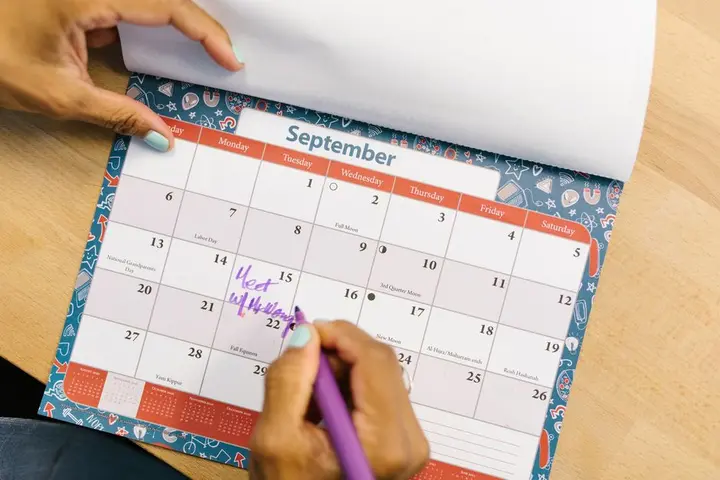
Decode event details quickly
Learn to skim for essential fields: date, time, venue, and price. These basics let you decide fast whether an event fits your schedule. If any item is missing, treat the listing as provisional.
Pay attention to event type and target audience. A general audience listing can be useful, but a specialized workshop might need prior preparation. Clear labels save time when sorting options.
Compare similar events across sources to catch inconsistencies. A single calendar can miss updates; cross-check dates and venues to avoid confusion.
What to expect from reputable sources
Credibility signals to look for
A credible calendar will show a public publishing date and a brief about the source. This helps you judge how reliable the listing is. Look for consistency across entries over time.
Transparent sources usually offer contact information or a help page. If you can’t find a way to verify a listing, treat it as informational rather than a firm commitment. Reliability grows with clear governance.
Check for review or feedback panels on more complex calendars. Community input can highlight errors or mislabelings before you rely on them for planning.
How to use agendas for personal planning

Integrating events into your week
Begin by marking confirmed dates on your personal calendar and setting reminders. A simple habit reduces last-minute scrambles and helps you balance commitments.
Group similar events together to minimize travel or context switching. If you have back-to-back events, plan buffers to catch transport or fatigue.
Evaluate event relevance to your interests or work tasks. Prioritize a few high-value dates and skip others to stay focused.
- Mark confirmed dates with a bold color
- Set reminders 24 hours and 2 hours before
- Create a weekly review to adjust upcoming events
Frequently asked questions
How can I tell if a calendar is suitable for general readers?
Look for clear event details, visible dates, and easy navigation. A calendar that explains its scope and offers direct contact information is typically easier for everyday planning than one with scattered listings.
What should I do when dates conflict between sources?
Prioritize the source that provides the most complete details for a given event. If in doubt, omit the entry until you can confirm the date and venue from a second source.
Is it safe to rely on free calendars for important plans?
Free calendars can be reliable if they are well maintained and transparent about their update cadence. For critical plans, cross-check with at least one other source and confirm directly with organizers when possible.
How often should I review calendars for upcoming trips?
Review weekly and again within 48 hours of a planned trip. This cadence catches last-minute changes and keeps plans precise without overloading your routine.
Practical next steps for steady planning
A calm approach to French agendas hinges on choosing credible sources, testing a few entries, and setting a simple routine to refresh your calendar weekly. With steady habits, you’ll reduce missed events and last-minute rebookings, especially when travel or family plans hinge on accurate dates.
Take a practical step today: pick a primary agenda source, verify two upcoming entries, and schedule a 2-minute weekly check. This small ritual creates reliable planning momentum and keeps your schedule aligned with real-world events.


